What Is Structured Wiring and Why Is It Important?
Modern homes rely on more technology than ever before. Smart TVs, security cameras, whole-house audio, home theaters, Wi-Fi networks, smart lighting, gaming systems, and home automation all require reliable connectivity. That’s where structured wiring comes in.
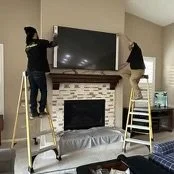
Structured wiring refers to a centralized network of cables and connections that distribute audio, video, internet, telephone, security, and automation signals throughout a home or business.
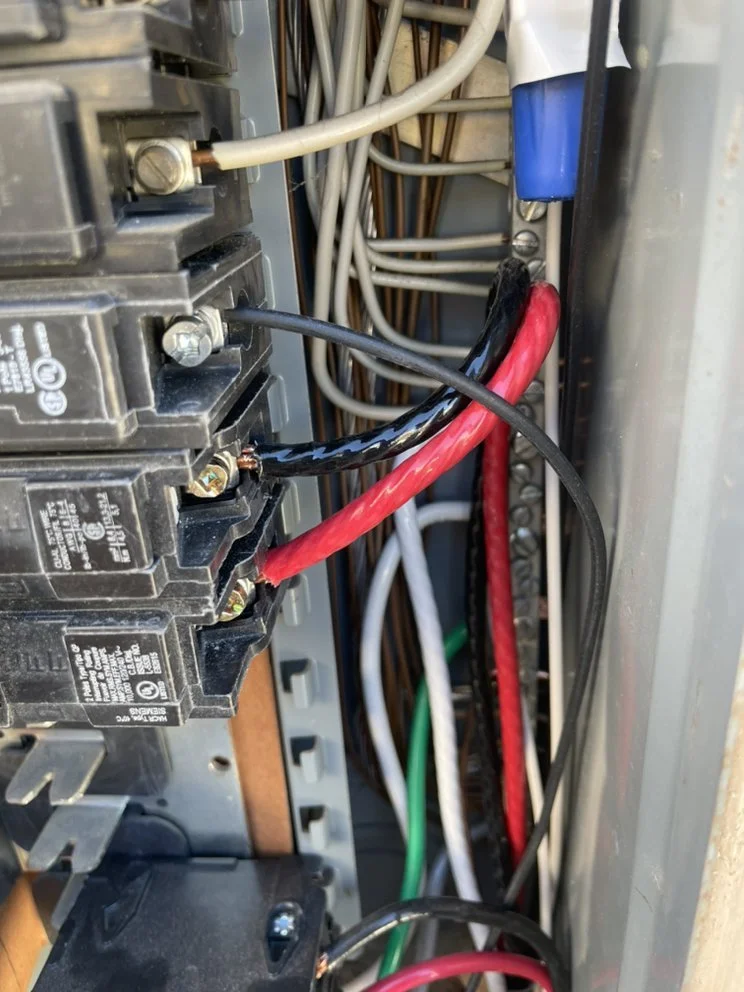
Instead of relying entirely on wireless connections, structured wiring creates a hardwired backbone for your technology systems. This can improve speed, reliability, organization, and long-term performance.
A structured wiring system may include:
• Internet and data cabling
• Whole-house audio systems
• Security cameras and surveillance systems
• Smart home automation
• Television and media systems
• Alarm and fire monitoring systems
• Home theater wiring
• Network equipment and data racks
One of the biggest advantages of structured wiring is reliability. Wireless systems can become overloaded as more devices compete for bandwidth. Hardwired connections provide faster, more stable performance for devices that require consistent connectivity.
Structured wiring can also increase a home’s value and make future upgrades easier. Proper planning allows systems to grow as technology changes.
Professional installation is extremely important. Structured wiring requires careful planning, proper cable management, safe electrical practices, and knowledge of how multiple systems work together.
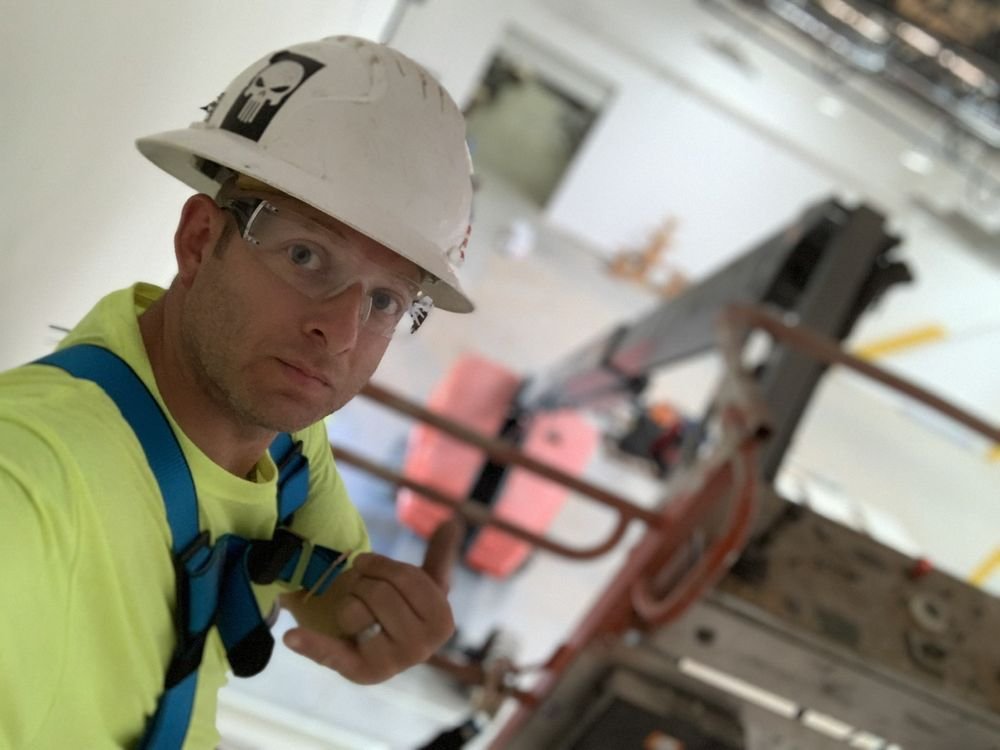
At Rader Electric, we specialize in clean, organized structured wiring solutions for homes and businesses. From security cameras and data racks to whole-house audio and smart technology integration, we help create systems designed for performance, reliability, and future expansion.
